


Enjoy Healthy Coffee Every Day: The Benefits of Nusakita’s Premium Java Mocha Blend for Your Body and Mind
admin - 28 July 2025

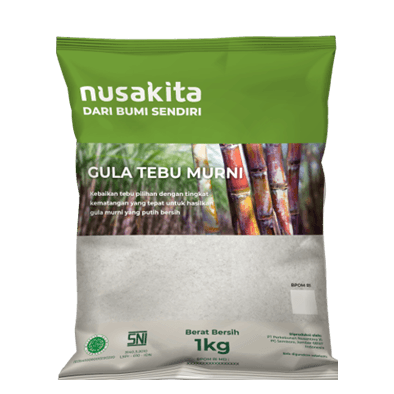
Sugar and Healthy Living—Can They Coexist? Sugar often gets a bad rap as the nemesis of a healthy lifestyle. It's frequently linked to obesity, diabetes, and chronic illnesses. But is all sugar truly bad? The answer: not always. The key lies not just in the type of sugar but also in how it’s consumed—and its quality. That’s where Nusakita Premium Pure Cane Sugar comes in, offering a healthier option for those who want to enjoy sweetness without compromising wellness. People often receive one-sided information about sugar. The truth is, our bodies still need it as a primary energy source, especially during physical or mental exertion. What we should be wary of is excessive consumption and low-quality sugars. Choosing natural, high-quality sugar is a smart step toward sustainable healthy living. Nusakita Premium Sugar: Natural Sweetness from the Indonesian Earth Nusakita offers pure cane sugar, crafted from handpicked sugarcane grown in the best plantations across Indonesia. The milling process is carefully overseen by professionals to ensure a final product that is premium, pure, and healthy. But it’s more than just taste. Each grain of sugar tells the story of Indonesia’s fertile land and the hardworking farmers who uphold quality and sustainability. Nusakita believes the best results come from processes that respect both nature and people. That’s why every step of production meets high standards and full transparency. When consumed responsibly, sugar can energize the body, sharpen the mind, and boost your mood. Nusakita invites you to not just enjoy the sweetness but also understand the origins and benefits of what you consume. Why Nusakita Sugar Supports a Healthy Lifestyle 1. Made from Natural Cane, Not Refined Sugar Nusakita’s pure cane sugar skips the excessive bleaching typical of refined sugar. This preserves more of sugarcane’s natural nutrients, offering your body quick yet wholesome energy. More and more people are avoiding overly processed foods. Natural sugar gives more than just sweetness—it’s easier on digestion and metabolism. Plus, natural sugar retains small amounts of minerals like calcium and potassium. While not a major source, it still provides a health advantage over refined sugar. 2. Premium Quality from Select Plantations The sugarcane comes from top plantations in Indonesia, grown using sustainable farming practices. The sugar is processed without synthetic chemicals, making it safer and more body-friendly. Every stage—from harvest to milling—is closely monitored for quality. This ensures safety, taste, and texture consistency. Nusakita's commitment to quality starts with the land itself, believing that great products grow from healthy soil and empowered farmers. Expert professionals oversee every production stage using modern technology to maintain premium standards. 3. Supports an Active and Balanced Lifestyle The body needs sugar—especially during physical activity, mental work, or fasting. Nusakita helps maintain energy without the risks of synthetic sweeteners. Natural sugar leads to more stable energy when consumed with fiber or protein. This means longer-lasting fuel and fewer blood sugar spikes. For people with active routines—whether working out, managing a busy job, or caring for a family—natural sugar in the right amount can provide a safe energy boost. Nusakita supports your productivity without compromising long-term health. The Facts About Sugar and Health Sugar Isn’t the Enemy—Lack of Control Is Your body needs glucose for energy. What matters is the amount and type of sugar consumed. Overconsumption—especially from processed foods and sugary drinks—can cause metabolic issues. Choosing natural sources like Nusakita helps you stay healthy without giving up sweet pleasures. Learning to read food labels and cooking with whole ingredients at home are important steps to managing sugar intake. The Dangers of Artificial Sweeteners Many artificial sweeteners claim to be “low” or “zero” calorie. But research suggests excessive use may disrupt metabolism, increase cravings, and even affect gut health. Some are linked to hormonal imbalances and chronic disease risks over time. Replacing refined sugar with natural sugar is a smarter, more holistic health choice. As consumers become more health-conscious, many are returning to minimally processed ingredients. Nusakita is the answer for those seeking responsible, naturally sweet products. Nusakita’s Commitment to Nature Empowering Local Farmers Each crystal of Nusakita sugar is a tribute to the dedication of Indonesian farmers. Purchasing this product supports local economies and helps uplift farming communities. Collaboration with farmers ensures quality and sustainability. Nusakita builds long-term relationships, providing training and support to boost harvests while protecting the environment. This commitment supports both economic well-being and sustainable ecosystems. When you choose Nusakita, you're part of a system that values people, nature, and high-quality outcomes. Farming the Right Way Nusakita knows that great outcomes start with great methods. By practicing sustainable and ethical agriculture, the brand safeguards environmental quality and soil health. This includes using organic fertilizers, rotating crops, and managing water wisely—ensuring fertile land for future generations. Consumers get quality sugar while contributing to a greener future. Good farming also includes worker well-being. Nusakita ensures fair, safe, and ethical working conditions throughout the supply chain. No Harmful Additives Nusakita sugar is free from harmful chemicals, preservatives, or colorants. The result is a clean, natural sweetness that’s safe for everyday consumption. In a world filled with ultra-processed foods, finding something this pure is a bonus. Unmodified sugar is easier for the body to process and carries minimal risk of side effects. Transparency is a core value at Nusakita. Consumers deserve to know what they’re eating—and Nusakita is a brand you can trust. Nusakita Sugar vs. Conventional Sugar Aspect Nusakita Sugar Regular Refined Sugar Source Selected Indonesian cane Imported cane/beets Processing Natural milling, no bleaching Heavily refined Nutrient Content Retains trace minerals Mostly sucrose only Color & Texture Natural color, fine crystals Bright white, overly fine Best for Health-conscious consumers Mass food production This comparison highlights how processing affects sugar quality. Nusakita emphasizes nature and sustainability, while conventional sugar often focuses solely on scale and cost. Balanced Living: The Secret to a Happy Life Balance Over Restriction Living healthily doesn't mean giving up all sweets. The key is balance—knowing your body and choosing wholesome, natural ingredients. Healthy living shouldn’t feel restrictive—it should feel empowering. Sweet treats can be enjoyed in moderation. Avoiding extremes in diet makes life more joyful and sustainable. It’s not about punishment—it’s about making smart, body-loving choices. The Pillars of a Healthy Lifestyle Balance comes from mindful eating, regular movement, and quality rest. Sustainable wellness doesn’t rely on fad diets—it’s built on habits that stick. Gradual, consistent changes often yield the best results. Switching to natural sugar like Nusakita is one such small shift with big impact. How Nusakita Fits Your Routine Nusakita lets you enjoy your favorite meals without guilt. The sweetness stays—but the health risks of artificial sugar don’t. It’s a small habit with a big health return. Using clean, transparent ingredients helps you eat more mindfully. Knowing the source of your sugar adds gratitude and purpose to every bite. Living Wisely, Sweetly A balanced lifestyle means enjoying life—consciously, without guilt. When healthy choices bring happiness, life feels more complete. There are no strict rules—just better decisions. With Nusakita’s support, your wellness journey becomes smoother and more enjoyable. Today’s wise choices are tomorrow’s health investments. Nusakita: Your Wellness Partner Nusakita sugar is ideal for those who want to: Live healthier without giving up sweetness Support local products and sustainability Provide the best for their families Choose natural ingredients daily Build joyful, healthy habits Closing: A Responsible Kind of Sweetness Healthy living isn’t about rejecting sugar—it’s about choosing the right kind and enjoying it wisely. Nusakita Premium Pure Cane Sugar is your best bet for staying healthy while still savoring sweetness. With every spoonful of Nusakita, you’re not only enjoying pure taste but also supporting a movement for healthier, more responsible living—rooted in the richness of Indonesia. It’s time to live sweetly, the healthy way. It’s time to choose Nusakita. Please read other article from Nusakita : https://www.nusakita.id/article/revolusi-gula-di-dunia-kuliner-sehat
Readmore
Eid al-Adha is one of the most special moments eagerly awaited every year. Beyond the spirit of sacrifice and sharing, this holiday is known for its special dishes made from goat and beef. The warm togetherness is amplified by the tempting aroma coming from Indonesian family kitchens. However, cooking sacrificial meat requires care. The meat needs proper handling to stay tender, flavorful, and healthy when served. One often overlooked key is the choice of cooking oil. It’s not just for frying—the oil greatly impacts the taste and quality of the dish. Nusakita Refined Cooking Oil is the perfect choice. Made from carefully selected palm fruit and processed with modern technology, Nusakita helps produce dishes that are both more savory and healthier. This article highlights five signature menus you can try this Eid al-Adha, complete with tips to make your cooking results perfect. Why Choose Nusakita Refined Cooking Oil for Eid al-Adha Dishes? Choosing the right cooking oil can make a big difference in your dish’s final flavor and texture. Nusakita Refined Cooking Oil excels not only in taste but also in health benefits and quality control. During Eid al-Adha, when meat dishes abound, you need oil that keeps flavors delicious without leaving an unpleasant greasy or heavy taste. Here are several reasons why Nusakita should be your kitchen staple: Top Quality from Superior Sources Nusakita Refined Cooking Oil is made from high-quality palm fruits sourced from premium plantations across Indonesia. This careful selection ensures stable flavor and texture. The advanced refining process helps retain natural nutrients in the oil. High Heat Resistance With a high smoke point, Nusakita Refined Cooking Oil doesn’t easily break down or produce harmful compounds when cooking at high temperatures. It’s perfect for frying goat, beef, or other Eid delicacies without worrying about burnt flavor or black smoke. Clearer Oil That Doesn’t Burn Easily The clear color reflects meticulous filtering. Nusakita remains stable even after multiple uses, resulting in crispier, more visually appealing fried foods without darkening too quickly. This is especially important for spiced dishes like tongseng or empal, where oil clarity matters. Healthy Cooking Oil Compared to regular oils, Nusakita Refined Cooking Oil contains more unsaturated fats, which are better for heart health. These fats help regulate cholesterol levels and support overall wellness when consumed moderately. Ideal for families seeking healthy yet tasty meals. No Unpleasant Odor Its neutral aroma is a big plus when cooking strong-smelling ingredients like goat meat. Unlike some oils that emit a rancid smell when heated, Nusakita Refined Cooking Oil stays fresh. The result: dishes that smell fragrant, not gamey, and taste better. With Nusakita Refined Cooking Oil, you can enjoy savory, healthy, and full-flavored Eid al-Adha meals without worrying about oil quality or health concerns. 5 Delicious Eid al-Adha Menus Using Nusakita Refined Cooking Oil Here are five selected dishes you can serve this Eid al-Adha, all using Nusakita Refined Cooking Oil for tastier, healthier, and more tempting results: 1. Tender Goat Satay with Sweet Soy Sauce Goat satay is a must-have at every Eid celebration. Its mouthwatering aroma when grilled over open flames whets anyone’s appetite. To make tender, odorless goat satay, choose lean cuts like thigh or inner loin. Cut the meat into bite-sized cubes to ensure even cooking. Marinate the meat in grated pineapple or lime juice for 15–30 minutes. This breaks down fibers and reduces the characteristic goat smell. Then season with garlic, coriander powder, sweet soy sauce, and a splash of Nusakita oil to help the flavors penetrate the meat. Use skewers soaked in water to prevent burning. Grill over hot coals, occasionally basting with a mix of sweet soy and Nusakita oil for a beautiful glaze and enhanced aroma. For the dipping sauce: slice bird’s eye chilies, shallots, small tomatoes, and mix with sweet soy sauce. Quickly sauté with Nusakita Refined Cooking Oil to boost fragrance and extend freshness. Thanks to Nusakita Refined Cooking Oil, the satay remains juicy and resists burning thanks to its heat stability. Serve with rice cakes and pickled cucumbers for a perfect meal. 2. Homemade Beef Tongseng Tongseng is a savory, sweet soup dish typical of Java. Beef is ideal due to its texture and ability to absorb spices. Use cuts like brisket or slightly fatty pieces. Cut small for easy chewing. Pre-boil until half-cooked to avoid toughness. Sauté ground spices—garlic, shallot, candlenut, ginger, turmeric, and large red chili—in 2–3 tablespoons of Nusakita Refined Cooking Oil. This oil helps release the aroma without making the dish greasy. Add bay leaves, kaffir lime leaves, lemongrass, and cinnamon sticks. Stir in the pre-boiled beef until flavors soak in. Pour in thin coconut milk or beef broth, then simmer on low heat. Add cabbage, tomatoes, and scallions near the end to keep vegetables crisp. Serve hot with white rice and crackers. Using Nusakita Refined Cooking Oil keeps the tongseng lighter and less oily, perfect for families avoiding greasy food. 3. Crispy Fried Empal Empal goreng is a favorite side dish enjoyed anytime, whether as a meal companion or savory snack. It’s crispy outside and tender inside. Choose outer loin or rear thigh cuts. Boil meat with smashed galangal, garlic, coriander, and salt. Add palm sugar for a richer, slightly sweet Javanese flavor. Once tender, slice meat, gently pound to loosen fibers, then soak again in the broth to absorb flavor. Refrigerate overnight if possible for deeper taste. Heat Nusakita Refined Cooking Oil at medium temperature and fry until golden brown. Avoid overcooking to keep the meat tender. Thanks to Nusakita’s heat resistance, empal stays beautifully colored without burning outside and raw inside. Serve with rice, shrimp paste chili sauce, or fresh veggies. Empal keeps well when fried dry and stored at room temperature, ideal for Eid festivities. 4. Spicy Potato and Beef Liver Sambal Goreng This dish is a staple on Eid tables. The crispy potatoes combined with rich-flavored liver balance savory, sweet, and spicy tastes perfectly. Dice potatoes and fry in hot Nusakita Refined Cooking Oil, which is clear and absorbs less into the potatoes, keeping them crispy without excess oil. Pre-boil beef liver to reduce odor, then dice and lightly fry without overcooking. Sauté ground shallots, garlic, red chili, candlenut, and tomato with bay leaves and galangal in 2 tablespoons of Nusakita Refined Cooking Oil for a fragrant, non-greasy base. Add coconut milk, tamarind water, then the fried liver and potatoes. Cook until the sauce thickens and flavors meld. Serve alongside rice, empal, or opor chicken. This dish will surely make you go back for seconds! 5. Vegetable Fritters to Complement Main Dishes No Eid meal is complete without fried snacks. Vegetable bakwan, fried tempeh, and stuffed tofu round out the table, especially with peanut sauce or chili paste. For bakwan, mix grated carrot, cabbage, scallions, and sweet corn kernels with flour, a bit of rice flour, and ground spices like garlic and coriander. Add just enough water for the right batter consistency. Use plenty of Nusakita Refined Cooking Oil for deep frying. Heat until really hot before adding batter to prevent sogginess. Tempeh and stuffed tofu add variety. Fill tofu with sautéed veggies or vermicelli, dip in batter, and fry until golden. Fritters made with Nusakita Refined Cooking Oil taste lighter, don’t leave oily residue in the mouth, and stay crispy even when cooled. How to Cook Goat Meat so It’s Tender and Odorless Goat meat is often seen as tricky because of its strong aroma. But with these steps, you can serve tender, flavorful, and odor-free goat dishes: Choose the Right Cuts. Use rear thigh, inner loin, or lean cuts. These are more tender and less pungent than head or ribs. Use Natural Marinades. Soak the meat for 15–20 minutes in one of the following: Lime or lemon juice Grated pineapple Apple cider vinegar. This breaks down fibers and neutralizes odor. Avoid Washing Repeatedly. Rinse once after soaking. Too much washing opens meat pores, making the smell stronger. Boil with Spices to Remove Odor. Before cooking, boil with: Bay leaves Crushed ginger Lemongrass Cloves These absorb odors and add a natural fragrance. Use Nusakita Refined Cooking Oil. When sautéing or frying, use healthy Nusakita Refined Cooking Oil, which: Resists high heat and doesn’t break down easily Doesn’t overly soak into meat Makes dishes flavorful yet light on the stomach Sauté Gradually for Deeper Flavor. For stewed dishes like gulai or tongseng: First sauté spices in Nusakita Refined Cooking Oil Add goat meat in batches Then pour in water or coconut milk. This helps spices infuse deeply and enhances taste. By following these steps, you’ll create goat dishes that your family will love—without the strong smell or tough texture. Conclusion: Make Your Eid al-Adha More Delicious and Healthy with Nusakita Refined Cooking Oil Eid al-Adha is a cherished time for togetherness. Serve the best meals to your family and special guests by choosing quality ingredients. Nusakita Refined Cooking Oil offers a solution for tastier, healthier, and more delicious dishes. With these five menus shared here, you not only bring special flavors to the table but also ensure top-notch quality. Ready to prepare delicious and healthy Eid al-Adha dishes? Use Nusakita Refined Cooking Oil for perfect results and enjoy family moments without worrying about oil quality. Get Nusakita Refined Cooking Oil now at your nearest store or visit our official website for more information! Please read another article from Nusakita : Celebrate Labor Day with Healthy Food: Nusakita Refined Cooking Oil for Hardworking Individuals
Readmore
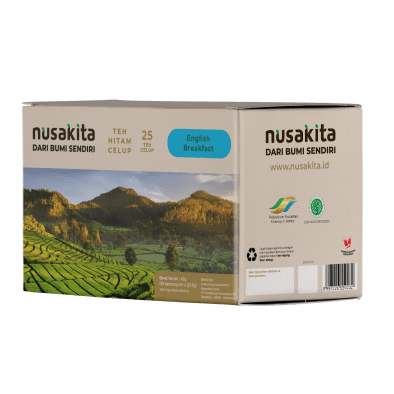
Enjoy the Health Benefits and Natural Delights with Nusakita Tea Drinking tea after a meal is not just a habit, but can be part of a fun, healthy lifestyle. In many cultures, including Indonesia, tea is often served after a meal together—whether at home, in a stall, or in a restaurant. Behind this habit, there are actually various health benefits that are rarely realized. With Nusakita Tea, the tradition of drinking tea after a meal can be more than just a routine. Nusakita Tea is made from selected quality tea leaves grown by local Indonesian farmers, served in the form of tea bags and dry leaves that are ready to be enjoyed every day. Let's dig deeper into why drinking tea after a meal is a healthy tradition that you need to try. In various regions in Indonesia, serving tea after a meal has become part of hospitality and respect for guests. In traditional families, tea is a symbol of warmth and a complement to light conversation after a meal. But more than just a symbol, drinking tea after a meal also has a number of important benefits for the body: a. Smoothens Digestion The polyphenol and tannin compounds in tea, especially black tea like the one used in Teh Nusakita, help soothe the digestive system. This makes the stomach feel more comfortable after a big meal. b. Neutralizes the Taste in the Mouth After eating oily, sweet, or strongly spiced foods, a cup of warm tea can help cleanse the mouth and provide a fresh sensation. c. Maintains Blood Sugar Balance Several studies have shown that tea (especially black and green tea) can help control spikes in blood sugar levels after eating, especially in people who are prone to diabetes. When is the Best Time to Drink Tea After Eating? Although it sounds trivial, the timing of drinking tea after eating is also important. Avoid drinking tea immediately after a big meal. Give your body a 15-30 minute break to start digesting the food first. Why? Because tea contains tannin, a compound that can inhibit the absorption of iron from food. This is important especially for those of you who rely on iron intake from plant sources such as vegetables. However, if you drink a little tea after a break, you can still feel the digestive benefits, especially if the tea is served warm without adding too much sugar. Tips for Enjoying Nusakita Tea After Meals To make the ritual of drinking tea after meals a special moment, here are some tips you can try at home: Serve in a Ceramic Cup or Glass Cup Add Orange Slices or Mint Leaves Avoid Adding Too Much Sugar Making Tea a Family Tradition You can build the habit of drinking tea after meals as a small tradition with your family: Serve tea in the afternoon after lunch together. Use a beautiful teapot and cup to create a warm atmosphere. Teach children to taste tea without too much sugar as a healthy lifestyle. This tradition is not only good for the body, but also strengthens togetherness and family communication. Take Advantage of Tradition, Feel the Sweetness of Health In the midst of a fast-paced modern lifestyle, taking the time to enjoy a cup of tea after meals can be a simple but meaningful form of self-care. With Nusakita Tea, you not only enjoy a drink, but also support local agriculture, keep traditions alive, and maintain a healthy body. So, starting today, let's get used to drinking tea after eating. Choose Teh Nusakita, an authentic Indonesian tea that comes with a warm taste and deep value. Please read other article from Nusakita : https://www.nusakita.id/article/kopi-nusakita-di-musim-hujan-rekomendasi-varietas-kopi-untuk-januari
Readmore
In the midst of daily routines and activities, many Indonesian families choose frying as their main cooking method. It's fast, practical, and produces a savory taste that is loved by all family members. However, did you know that improper frying habits can have a negative impact on your health? Trans fats, free radical compounds, and an increased risk of high cholesterol can arise from the wrong frying method. Through this article, Nusakita, a quality palm cooking oil from Indonesian produce, wants to invite the public to be more careful and healthy in frying. Come on, check out various important tips so you can enjoy delicious food, without having to sacrifice your health! 1. Use High-Quality Cooking Oil The most basic first step is to choose the right cooking oil. Not all cooking oils are created equal. Oil with a high smoke point, good clarity, and balanced nutritional content is very important for body health. One of the right choices is Nusakita cooking oil. Nusakita palm cooking oil is produced from selected palm oil that has gone through a high-standard refining process. Other advantages: Contains vitamin A which is important for maintaining healthy eyes, skin, and immune system. Does not turn black easily even when used for frying in large quantities. More stable when heated, making it suitable for high-temperature frying. By using Nusakita, you have chosen the right basis for healthy cooking every day. 2. Don't Use Oil Repeatedly One common mistake that is often made in the home kitchen is using cooking oil repeatedly. Indeed, from an economic perspective, this seems profitable. However, from a health perspective, used oil (especially if it has turned black) contains fat polymerization compounds, free radicals, and acrolein compounds which are carcinogenic (cancer-causing). Limit the use of oil to a maximum of 2-3 times, and make sure the oil is filtered after use to avoid burning dirt. 3. Pay Attention to the Temperature When Frying Ideally, the temperature of the oil when frying is 170-180°C. Too high a temperature will cause the oil to deteriorate quickly and produce harmful substances, while too low a temperature will cause food to absorb too much oil. Tips: Use medium heat and add the ingredients when the oil is hot enough (you can test it by dropping a little dough—if it rises immediately, it's ready). 4. Drain the Oil Properly After the frying process is complete, the next step is to drain the oil properly. This is often considered trivial, even though it has quite an impact on total fat intake. Food that is not drained properly will store more oil, and of course add calories to the body. Use several sheets of kitchen paper to absorb the oil or place the food on a draining rack so that excess oil can drip off perfectly. 5. Balance it with a Balanced Diet Even though you have fried the right way, it is still important to balance your diet with other healthier menus. Eating fried foods should not be done every day. Try to include: Fresh or steamed vegetables Sources of low-fat protein (tofu, tempeh, boiled eggs) Fruits rich in fiber Enough water Fried foods can be part of a healthy diet as long as they are not excessive and are combined with a balanced diet. 6. Beware of Cooking Oil Labels When buying cooking oil, make it a habit to read the packaging label. Check information such as: Oil composition (make sure no trans fat is added) Vitamin A or E content Information on distribution permit from BPOM or halal certificate Nusakita consistently includes all important information on its packaging. As a product produced by a BUMN through PT Perusahaan Perdagangan Indonesia, Nusakita has also gone through quality testing and a trusted distribution process. 7. Educate the Family from an Early Age Implementing a healthy diet is not only about cooking techniques, but also the formation of the mindset of all family members. Invite children to recognize the difference between healthy and unhealthy foods, as well as the importance of choosing good cooking oil. Involve them in the cooking process so that they are more aware of the importance of nutrition. Nusakita: Healthy Cooking Oil for Indonesian Families Nusakita is not just ordinary cooking oil. This product is part of a national commitment to provide high-quality cooking oil at an affordable price. Produced by a state-owned company and widely distributed throughout Indonesia, Nusakita is here to support: National food security Public health Empowerment of farmers and local palm oil industry By choosing Nusakita, you support Indonesian-made products and help maintain your family's health. Conclusion Frying is part of our culinary culture. But a healthy way of frying will determine how our bodies receive the benefits. Starting from choosing quality cooking oil like Nusakita, maintaining the temperature and frequency of use, to draining the oil and balancing your diet—all are important steps towards a healthy lifestyle that starts from your own kitchen. Make your kitchen the birthplace of delicious dishes that are not only appetizing but also healthy for the whole family.
Readmore
JAKARTA: Erick Thohir hopes that the Sei Mangkei Special Economic Zone (SEZ) in North Sumatra will be able to invite investors to invest and boost the economy and create jobs. It is hoped that industrial area should be developed immediately, not only oriented to property companies but to become an industrial area that can compete with SEZs in other areas and benefit the surrounding community. "As directed by the President of the Republic of Indonesia, that this industrial area must be developed immediately, it is not oriented to property companies, but how can this industrial area become an industrial area that can be used for investment by partners so that this industrial area can be developed quickly," said Erick during a visit to Sei Mangkei SEZ, North Sumatra Province, Friday (25/6). During the visit, SOE Minister Erick Thohir along with the Deputy Governor of North Sumatra Musa Rajekshah was accompanied by the President Director of PTPN III (Persero) Nusantara Plantation Holding Muhammad Abdul Ghani. The Sei Mangkei SEZ is the first SEZ in Indonesia which was inaugurated by President Joko Widodo on January 27, 2015. The Sei Mangkei SEZ is located in North Sumatra Province and has main activities in the form of palm oil processing, rubber processing, tourism and logistics. Erick added that the manager of the Sei Mangkei SEZ can actually explore the wealth of natural resources in the North Sumatra region and around the area so that it can be an affordable investment for the surrounding community. Therefore, the existence of the Sei Mangkei SEZ will be beneficial for the people of North Sumatra to improve the economy and create job opportunities. Erick said that he had asked PTPN III, which manages the Sei Mangkei SEZ, to make the land around the area a cheap investment for entrepreneurs who want to build factories in the area. "North Sumatra has known for natural resources, now we need to do downstreaming, I also saw several factories in the SEI Mangkei SEZ, which can improve the economy and create jobs. This has led to an increase in the welfare of the community around the Sei Mangkei SEZ,” said Erick. Erick hopes that SEZ Sei Mangkei can compete positively with SEZ in other regions, and even synergize in improving and supporting the national economy. The management of SEZ Sei Mangkei should learn from the Batang Industrial Estate (KIB) which has succeeded in collaborating with many investors in a short time. SEZ Sei Mangkei covering an area of 1933.8 hectares consists of downstream palm oil industry, downstream rubber industry, and various other industries. The focus of industrial zone development in SEZ Sei Mangkei is downstreaming of oil palm and rubber commodities. The concept of energy development in the Sei Mangkei SEZ prioritizes renewable energy, which makes the development of the Sei Mangkei SEZ in the Green Economic Zone. The Ministry of Industry has built facilities, namely dry ports, tank farms and innovation centers. As for the distribution of electricity supply, gas, and telecommunications networks to support investment activities in the Sei Mangkei SEZ, PT Perkebunan Nusantara III cooperates with PLN, Pertagas and Telkomsel. Meanwhile, the management of clean water and waste water is a facility that has been prepared and built by PT Perkebunan Nusantara III. PTPN III (Persero) has collaborated with strategic partners to develop power plants from new renewable energy sources, including: Biogas Power Plant (PLTBg) with a capacity of 2 MW from the utilization of palm oil effluent (POME), and Solar Power Plant (POME). PLTS) with a capacity of 2 MW. This program supports the government's efforts to optimize the national renewable energy potential and attracts investors to invest in SEZ Sei Mangkei. In addition to PLTS and PLTBg, currently there are several potential strategic partners who are ready to cooperate with PTPN Group in developing Bio-Compressed Natural Gas (Bio-CNG) from POME to be supplied to tenants in SEI Mangkei SEZ and there are potential investors who will invest in the development. Biomass Power Plant (PLTBm) with a capacity of 1 x 15 MW and the operation of a PLTBm with a capacity of 2 x 3.5 MW. A number of leading companies, both foreign and domestic, have invested in SEZ Sei Mangkei, namely PT Unilever Oleochemical Indonesia, PT Industri Nabati Lestasi, PT Delamere Estates Indonesia, PT All Cosmos Biotek, and PT Aice Sumatera Industry. In addition, there are also investors in the provision of supporting infrastructure, including PT PLN, PT Pertamina Power Indonesia, and PT Pertamina Gas. Several investors who are in the process of exploring cooperation to develop a factory in Sei Mangkei include PT Unilever Oleochemical Indonesia which will expand its factory on an additional 9 ha of land and new investors namely PT KKB SMET, Alliance, PT NHL and several investors from India, Korea, Malaysia, China, Taiwan and the UK are expected to start investing in SEZ Sei Mangkei in the future.
Readmore
Jakarta - PT Perkebunan Nusantara/PTPN III as PTPN holding plans to form PT Sugar Company (SugarCo). There are seven subsidiaries in the sugar sector will be combined. PTPN III President Director Mohammad Abdul Ghani said the merger was part of a sugar business restructuring designed by the company so that the production of this commodity competes with other producers and imported sugar. "So far, seven PTPNs each have PG, later we will make the seven PTPNs into one entity whose name is SugarCo in charge of PG-PG," he said in a hearing (RDP) with Commission VI DPR RI, Monday (21/6/2021). ). PTPN III will cooperate with the Investment Management Institute (LPI) to find investors in SugarCo. Abdul Ghani mentioned the need to cooperate with investors, one of which is to help fund the formation of SugarCo, which is needed around Rp. 23 trillion. The funds are for the plan to build five factories and revitalize one factory. "In our future targets, especially towards SugarCo Aggressive, it requires at least Rp. 23 trillion investment to build, there are plans for five new factories and one old factory being revitalized," he added. In addition, there will also be an expansion of the sugarcane planting area from 55,000 hectares to 85,000 hectares to boost sugar production. Abdul Ghani doesn't want it to be done only on lands that already exist in Java. "If we impose too much on Java based on existing land, we are worried that it will interfere with rice self-sufficiency, so PTPN will acquire its own land, especially HGU lands in North Sumatra, Lampung, West Java, Central Java, East Java, which are partially rubber plants. Our palm oil will be converted to sugar," he added.
Readmore